Tracing Incentive Pathways: From Entry-Level Spins to Sustained Progressive Pursuits in Mobile Gaming Ecosystems
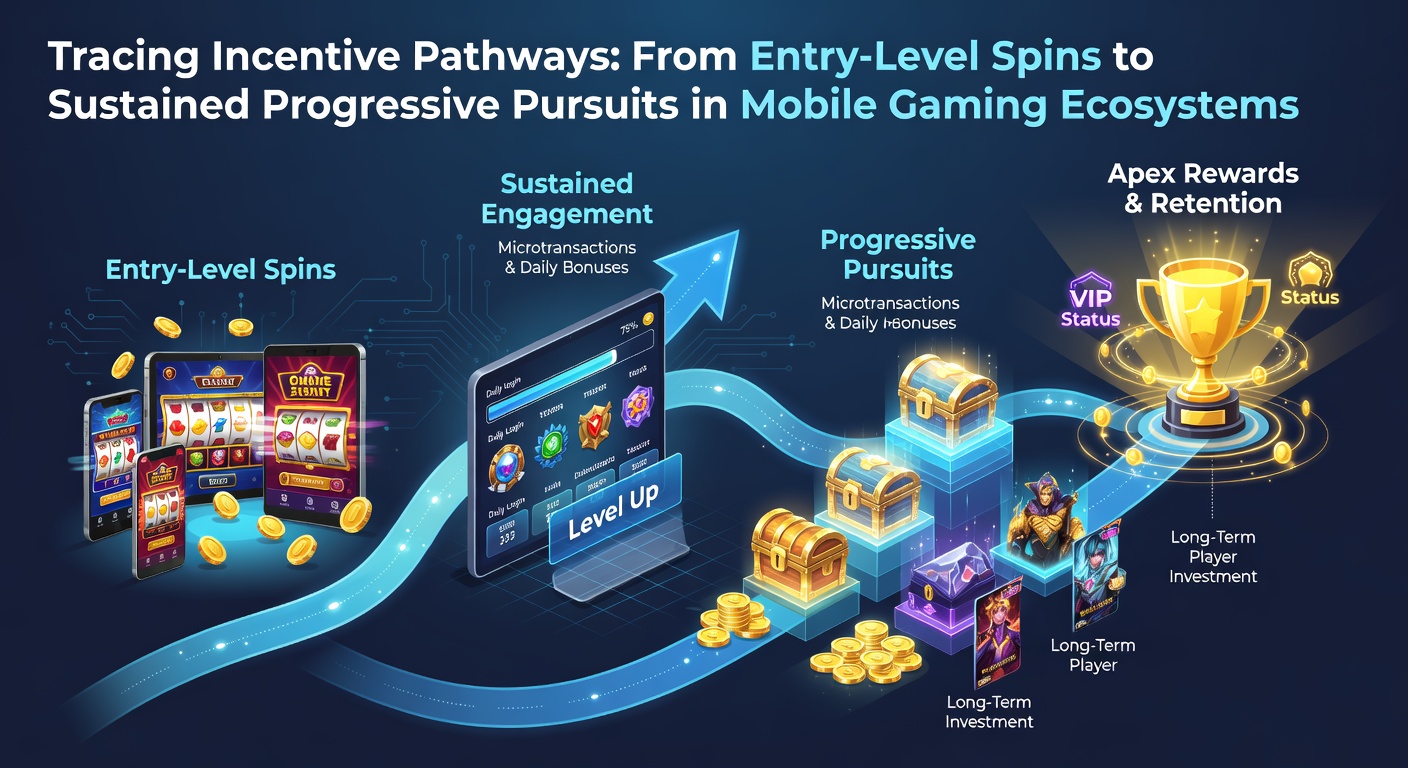
Mobile gaming ecosystems operate through layered incentive structures that begin with straightforward entry points and develop into sustained engagement models, where initial spins introduce players to core mechanics before guiding them toward ongoing progressive elements that encourage repeated interaction over extended periods.
Entry-Level Mechanisms in Mobile Platforms
Developers design entry-level spins as accessible starting tools in many mobile titles, often delivering immediate small-scale rewards such as virtual currency or basic items that help new users familiarize themselves with controls and objectives without requiring upfront commitments, and these mechanics appear across genres from casual puzzle apps to more structured adventure games.
Research from industry analysts at Newzoo indicates that mobile game downloads in early 2026 frequently incorporated such introductory features, with data showing over 60 percent of top-grossing titles in various regions using spin-based onboarding to boost initial retention rates during the first session.
Progression from Basic Rewards to Layered Systems
Once players complete those first spins, ecosystems typically shift toward cumulative progress trackers that build on early successes through chained objectives, turning simple actions into sequences where each completed stage unlocks additional layers like upgraded spins or milestone bonuses that extend play sessions naturally.
Observers note how these transitions maintain momentum because the systems integrate daily login incentives with spin multipliers, creating pathways that connect short-term gains to longer-term goals such as character advancement or event participation, and this approach aligns with patterns documented in global mobile revenue reports from sources including the Entertainment Software Association.
Case Examples Across Ecosystems
Take one popular mobile title released in late 2025 that used entry spins to introduce resource collection before expanding into progressive events where accumulated points fed into larger seasonal pursuits, and figures from that launch revealed players who engaged with the initial mechanics showed higher continuation rates into subsequent months according to aggregated app store analytics.
Another instance involves games that pair basic spin outcomes with social features, allowing shared rewards to feed into group-based progressive challenges that span weeks or months, which researchers at academic institutions have examined for their impact on user time investment patterns.
Technological Influences on Incentive Flow
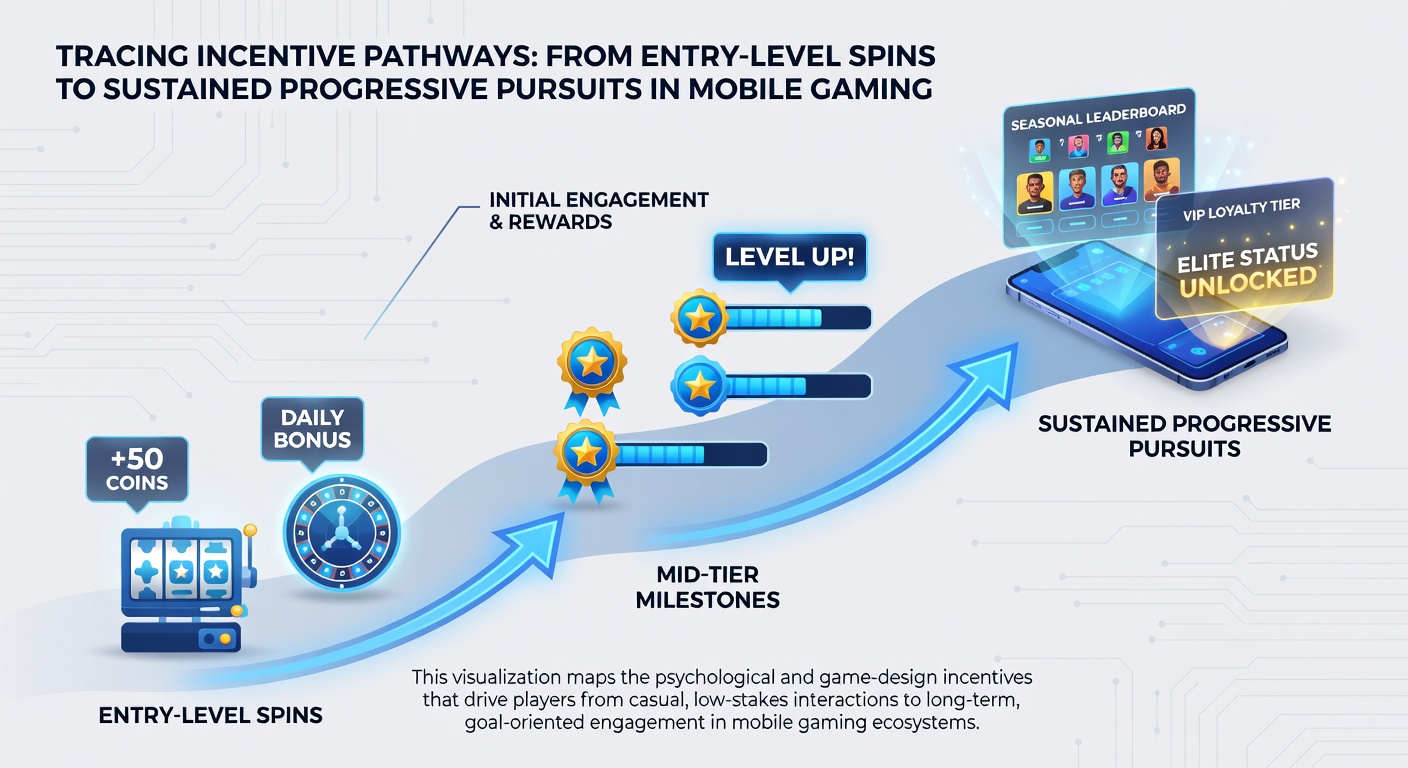
Advanced algorithms track player behavior from those starting spins onward, adjusting reward frequencies and types to match individual activity levels while maintaining overall ecosystem balance, and this personalization draws from real-time data collected across millions of devices in markets spanning North America to Asia-Pacific regions.
By May 2026 updates to several major platforms had refined these tracking methods further, incorporating machine learning elements that predict when users might disengage and respond with targeted progressive offers designed to reconnect them through escalating spin opportunities tied to broader achievement ladders.
Regulatory and Market Context
Government bodies in places like Australia and Canada have examined these incentive pathways for their role in digital entertainment consumption, with reports highlighting how transparent design of entry-to-progressive flows helps distinguish recreational use from other patterns, and industry groups continue to publish guidelines that encourage clear communication of reward structures to users worldwide.
Data from cross-regional studies shows mobile gaming revenue streams often rely on the successful conversion of casual spinners into dedicated participants in progressive systems, yet success rates vary by title and demographic factors tracked through anonymized usage statistics.
Conclusion
Overall the pathways traced through mobile gaming incentives demonstrate a deliberate progression that starts with accessible spins and sustains through interconnected pursuit systems, supported by ongoing technological refinements and market observations that shape how ecosystems evolve to retain participants across diverse global audiences.