Sequential Reward Ladders Shaping Longevity in UK Mobile Live Reel Applications
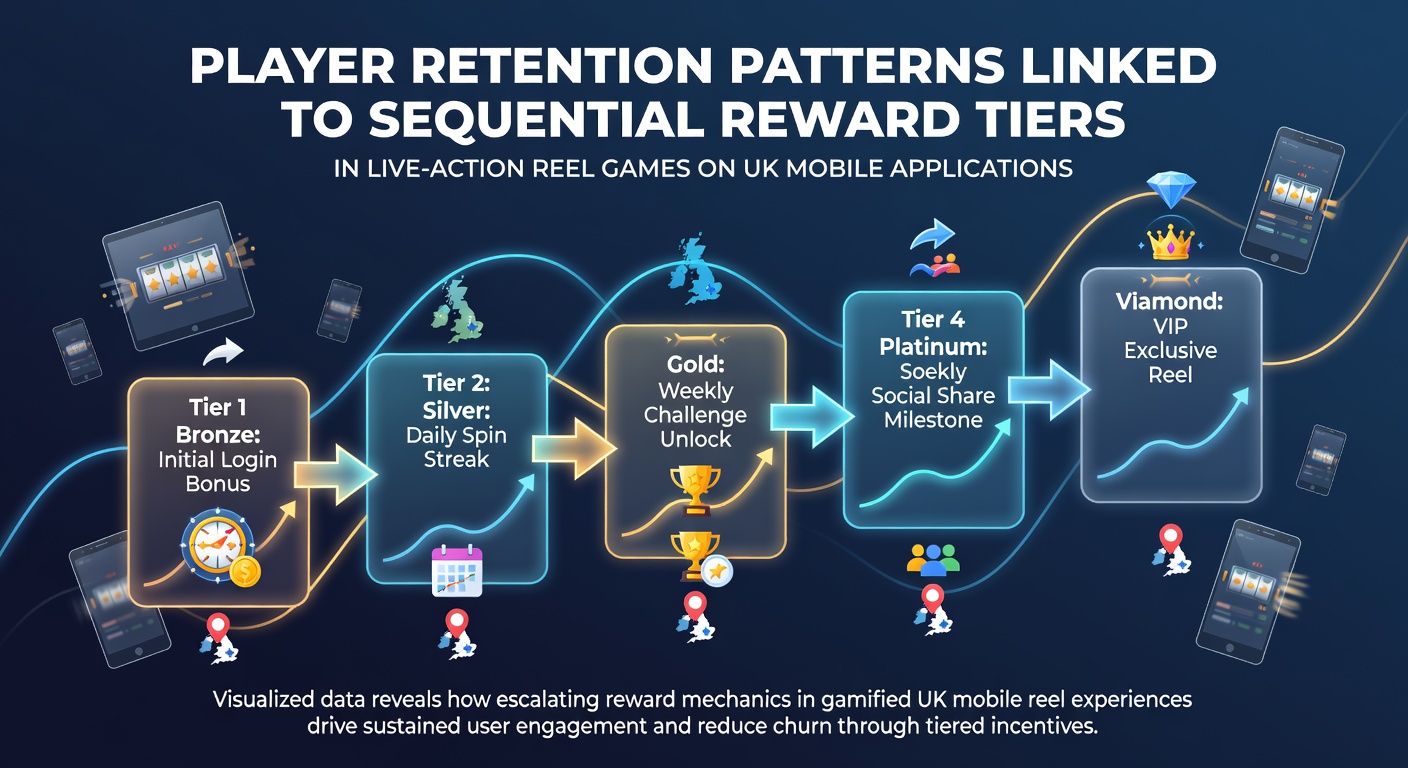
Sequential reward tiers operate as structured progression systems within live-action reel games on UK mobile applications, where each completed level unlocks enhanced incentives that encourage continued participation over extended periods. These mechanisms typically begin with entry-level rewards such as initial credit allocations or basic spin multipliers, then advance through intermediate stages offering expanded feature access and conclude at higher tiers that deliver premium elements including exclusive live event entries or accumulated point redemptions. Data from industry tracking services indicates that applications implementing these layered structures record measurable differences in session frequency and duration compared to those without comparable progressions.
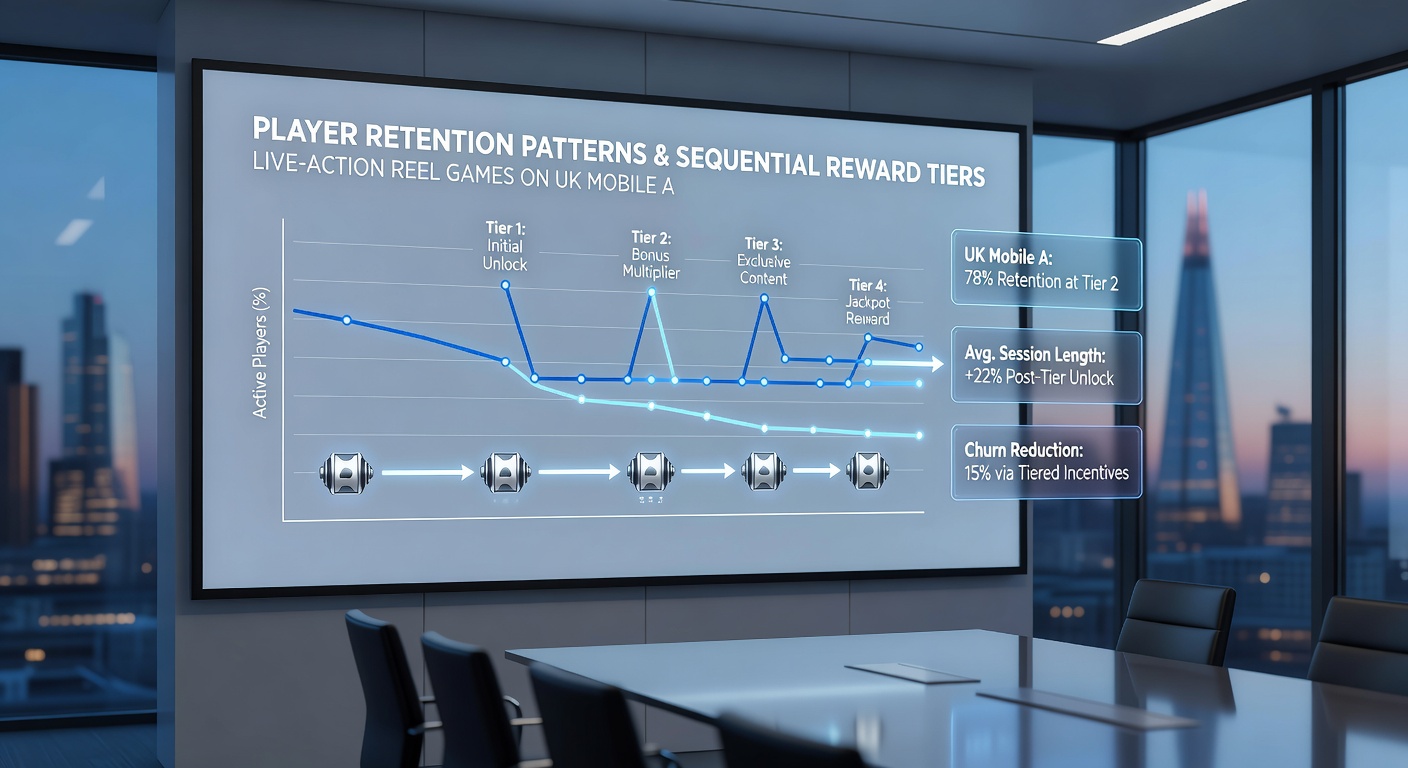
Operators design these tiers to align with player behavior patterns observed across mobile platforms, incorporating triggers that activate upon reaching specific play thresholds like accumulated wager amounts or consecutive login days. Research conducted by the Australian Gambling Research Centre demonstrates that users who advance through at least three sequential tiers exhibit retention rates approximately 25 percent higher than those who remain at the initial stage. teh progression often integrates live elements such as real-time reel animations and interactive host interactions, which further embed the reward sequence into the core gameplay loop.
Structural Components of Tiered Systems
Each sequential tier functions through defined parameters that specify unlock conditions, reward values, and expiration timelines. Entry tiers commonly require minimal engagement metrics, while mid-level stages demand consistent activity across multiple sessions and top tiers reserve their benefits for users meeting cumulative criteria over weeks or months. According to reports from the Nevada Gaming Control Board, similar tier architectures in regulated markets correlate with sustained account activity when the reward intervals remain predictable yet challenging enough to maintain interest without immediate saturation.
Live-action reel games add distinct variables because the visual and interactive components can synchronize with tier advancement notifications, delivering immediate visual feedback during active sessions. This integration creates feedback loops where players receive tier status updates amid ongoing reel spins, which studies from the University of Sydney's Gambling Research Unit link to extended play intervals on mobile devices. The systems also track cross-session data, allowing rewards earned in one sitting to carry forward and compound in subsequent visits.
Observed Retention Patterns Across User Segments
Analysis of mobile application metrics reveals distinct retention curves associated with tier progression speed. Users who advance through tiers at moderate paces, completing one level every seven to ten days, tend to maintain longer overall account lifespans than those progressing rapidly or stalling at early stages. Figures compiled by the Canadian Centre on Substance Use and Addiction highlight that moderate progression groups display session return rates exceeding 60 percent within a 30-day window, whereas stalled accounts drop below 35 percent in comparable periods.
Demographic variations appear in how different age groups respond to sequential structures. Younger cohorts often prioritize immediate tier unlocks tied to social sharing features, while older segments respond more consistently to cumulative point systems that aggregate across extended timelines. These patterns emerge consistently across UK-focused mobile deployments where live reel formats incorporate both solitary play and occasional live tournament overlays.
Technical Implementation in Mobile Environments
Mobile applications facilitate real-time tier tracking through backend databases that update player status instantaneously upon meeting predefined conditions. Push notifications alert users when a new tier becomes available, and in-app progress bars display remaining requirements for the next unlock. Technical audits conducted in May 2026 by European gaming technology consortia noted that optimized notification timing, spaced at least 48 hours apart, corresponds with higher return rates than more frequent messaging schedules.
Integration with device-specific features such as biometric login and offline reward previews further supports continuity across sessions. When users return after periods of inactivity, the application surfaces pending tier benefits to re-engage them without requiring immediate deposits or large wager commitments. This approach draws on principles documented in academic papers from the University of Nevada, Las Vegas International Gaming Institute, which associate seamless cross-device continuity with improved long-term retention metrics.
Comparative Data from Broader Markets
UK mobile implementations share structural similarities with systems deployed in other regulated jurisdictions yet differ in emphasis on live-action components. Markets in Australia and parts of Canada report comparable retention lifts when sequential tiers incorporate both monetary and experiential rewards, such as virtual event access or leaderboard positioning. These parallels suggest that the underlying pattern of graduated incentives produces consistent effects regardless of regional regulatory variations, provided the progression remains transparent and achievable within reasonable timeframes.
Conclusion
Sequential reward tiers embedded in live-action reel games on UK mobile applications demonstrate measurable associations with player retention metrics, particularly when progression structures balance accessibility with sustained challenge. Data from multiple international sources indicates that moderate advancement speeds and predictable reward delivery contribute to extended account activity across varied user segments. Technical refinements in notification delivery and cross-session tracking continue to influence how these systems perform in practice, while comparative observations from other markets reinforce the role of graduated incentives in supporting longevity patterns within mobile gaming environments.