Redemption Trends and Loyalty Integration in Progressive Mobile Slot Experiences Across UK Licensed Platforms
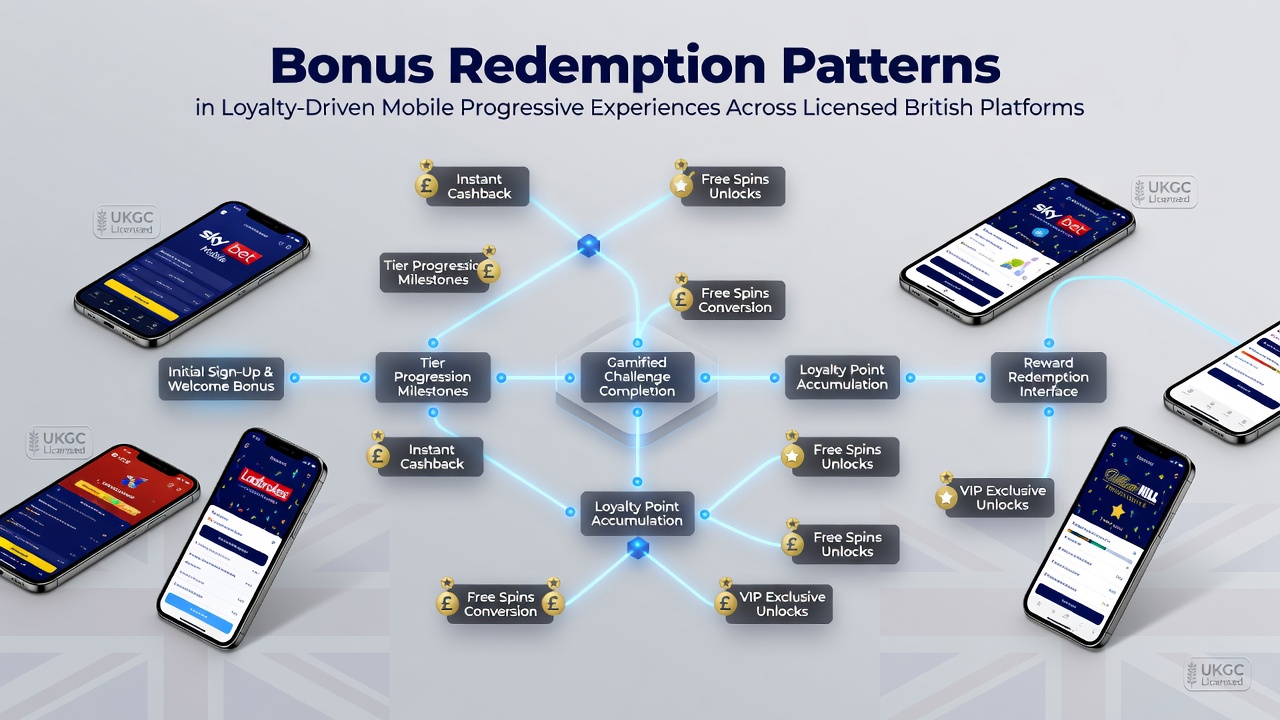
Redemption patterns in loyalty programs tied to mobile progressive slots on licensed British platforms follow structured cycles where players accumulate points through repeated play and convert them into bonus credits or free spins, and data from multiple operators indicate that weekly redemption rates peak during promotional periods tied to major jackpot events.
Those who monitor player behavior across platforms note that progressive mechanics, which pool contributions across networks, encourage longer session times because accumulated loyalty rewards directly offset wager requirements on linked jackpot titles, while mobile interfaces streamline the process by allowing instant balance updates after each qualifying spin.
Core Mechanics of Loyalty Integration
Loyalty systems on these platforms assign tiered benefits based on deposit frequency and wager volume, and users advance through levels that unlock higher redemption multipliers for progressive jackpot entries, yet the conversion process requires meeting specific playthrough thresholds before rewards activate.
Operators structure these programs so that points earned from base game spins feed into separate ledgers for progressive contributions, and this separation lets players track both standard bonuses and jackpot-specific redemptions without overlap in calculation methods.
Observed Redemption Patterns Across Platforms
Analysis of transaction logs reveals that most redemptions occur within 48 hours of point accumulation, and players tend to apply rewards to high-volatility progressive titles during evening hours when network participation increases, which in turn boosts the visible jackpot counters displayed on mobile dashboards.
One pattern that stands out involves clustered redemptions around month-end resets, where unused points expire unless converted, and this timing drives a measurable uptick in mobile sessions as users complete the final steps needed to claim bonuses before deadlines pass.
Data Insights from Industry Reports
Figures released by the European Gaming and Betting Association highlight that mobile progressive traffic accounts for over 60 percent of loyalty point generation on UK-facing sites, and these numbers align with broader trends showing increased use of app-based redemption tools that reduce friction compared with desktop alternatives.
Researchers at the International Gaming Institute have documented similar behaviors in cross-market studies, noting that players who engage with loyalty loops on progressive games maintain higher retention rates when redemption interfaces incorporate real-time jackpot tracking features.
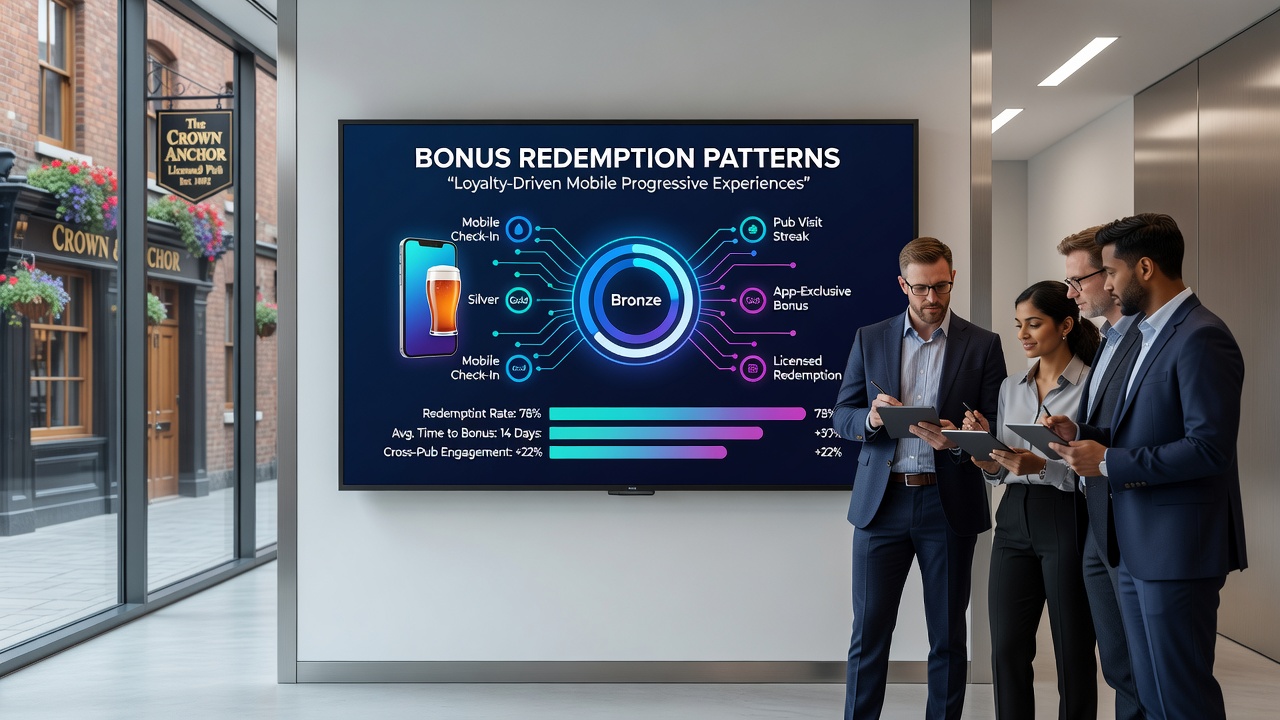
Platform operators segment user groups by redemption velocity, and those in higher tiers receive priority access to exclusive progressive pools where bonus credits carry lower wagering conditions, while lower-tier accounts follow standard conversion schedules that extend over multiple days.
Transaction records further show that cashback-style redemptions, triggered after net losses within a loyalty period, frequently route back into progressive slots rather than other game categories, and this routing sustains the contribution flow that grows the shared jackpot amounts visible to all participants.
Regulatory Context and Platform Adjustments
Licensed operators maintain compliance by embedding clear redemption rules within app terms, and these disclosures detail how progressive contributions remain separate from loyalty point calculations to avoid any overlap that could affect player balances during audits.
Changes scheduled for land-based venues in July 2026 have prompted some operators to review mobile systems as well, ensuring that loyalty mechanics remain consistent across channels even as physical machine standards evolve, and this alignment supports unified player accounts that carry rewards between online and offline environments where permitted.
Examples of Redemption Flows
Take one case where a player reaches a mid-tier loyalty level after consistent mobile deposits over four weeks, and the resulting bonus credits apply directly to a linked progressive title, allowing continued spins toward the growing jackpot without additional funding steps.
Another observed flow involves high-volume users who trigger automatic redemptions once point thresholds hit preset amounts, and these automated processes reduce manual intervention while feeding rewards into sessions that contribute further to the progressive pool.
Conclusion
Redemption patterns in loyalty-driven mobile progressive experiences on licensed British platforms continue to evolve through integrated tracking systems that connect point accumulation with jackpot participation, and operators rely on these connections to maintain engagement while meeting regulatory standards across mobile channels.
Future adjustments will likely build on current data flows, refining how rewards convert and apply without disrupting the underlying progressive mechanics that define the experience for participants.