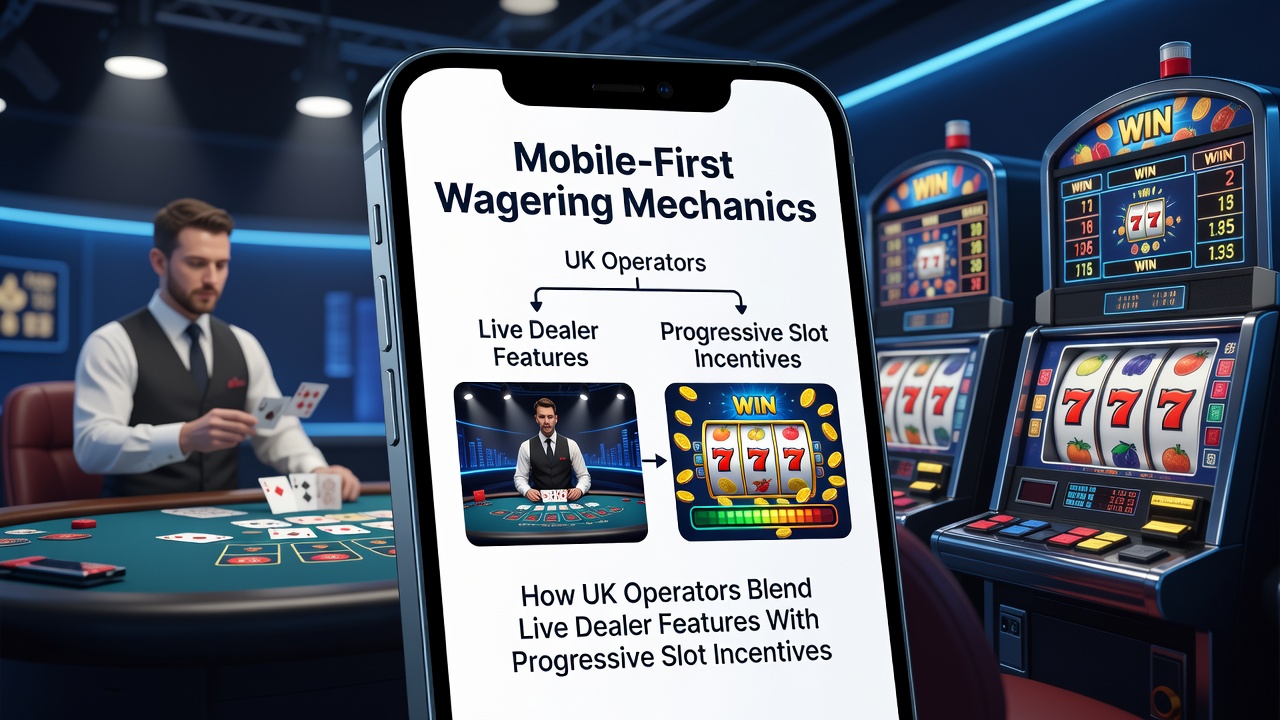
 UK mobile platforms have developed systems that place wagering at the center of user interaction through devices, where live dealer tables operate in tandem with progressive slot structures. These mechanics allow operators to present real-time video feeds from studios while tracking contributions to shared jackpot pools that accumulate across multiple titles. Data from industry reports indicate that such combinations appear in applications where users switch between blackjack tables streamed at 30 frames per second and slot games that display rising prize meters updated every few seconds. Operators structure incentives so that bets placed during live sessions contribute directly to progressive meters attached to slot libraries. A player who wagers on a roulette wheel in one tab sees portions of those stakes allocated to a separate jackpot linked to a themed reel game accessible via the same account balance. This linkage relies on unified wallet systems that record every transaction in a single ledger, which then feeds into algorithms distributing funds across game categories.
Core Components of Mobile Wagering Integration
Live dealer features on mobile devices incorporate camera angles, chat functions, and bet placement interfaces optimized for touchscreens, while progressive slots maintain reel animations and bonus round triggers that sync with account progress. According to figures from the Alberta Gaming, Liquor and Cannabis Commission, similar hybrid models in regulated markets show increased session durations when these elements connect through shared loyalty tracking. UK platforms apply comparable logic by awarding multipliers earned in live environments that carry over to slot spins within the same application window.
Technical setups involve API connections between video streaming servers and random number generator servers for slots, ensuring that bonus eligibility updates occur without requiring users to reload screens. Observers note that these connections support features such as live-triggered free spins that appear during dealer rounds and apply to progressive titles, with prize values calculated from aggregated stakes across both formats.
Progressive Incentive Structures in Mobile Contexts
Progressive slots on mobile platforms operate through contribution percentages typically ranging from one to three percent of each bet, with totals displayed in real time on device screens. When operators blend these with live dealer options, they introduce cross-game promotions where participation in streamed card games unlocks additional entry tickets into jackpot draws. Research from the University of Nevada, Reno Gaming Research Center shows that such layered reward paths maintain consistent contribution rates across device types in tested environments.
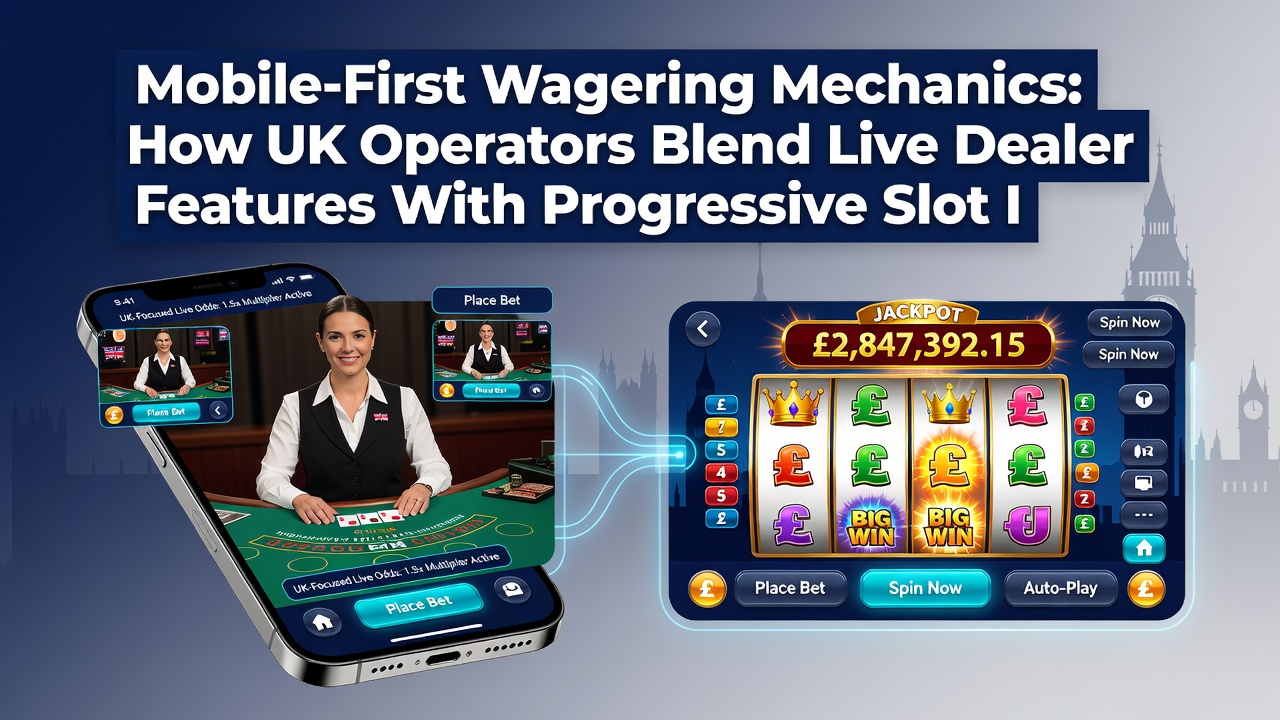
Users encounter these mechanics through notification systems that alert them when live table activity has increased a linked slot's jackpot threshold. The systems record each eligible wager with timestamps and game identifiers, allowing operators to verify compliance with contribution rules set by platform agreements. Those who've examined transaction logs in similar setups find that mobile applications handle the majority of such combined activity during peak evening hours.
Regulatory Environment and Operational Adjustments
Platforms must align these blended features with existing standards for fair play and transparent prize allocation. External audits examine the flow of funds between live and slot components to confirm that progressive pools receive accurate percentages from all sources. In June 2026, several operators plan to roll out updated interfaces that further synchronize live chat rewards with slot progression indicators, building on existing API frameworks already deployed in current applications.
Industry organizations such as the European Gaming and Betting Association have documented how mobile-optimized systems reduce latency in jackpot updates to under two seconds across tested networks. These improvements support continuous play cycles where users move between dealer interactions and reel sequences without losing eligibility for accumulating prizes.
Implementation Patterns Across UK Platforms
Multiple applications demonstrate consistent patterns where sign-up sequences introduce both live and slot elements in the same onboarding flow. After initial deposits, users receive prompts that direct portions of balances toward either format while maintaining visibility of shared progress bars. Case examples from platform reports reveal that this approach correlates with higher retention metrics when measured over thirty-day periods.
Additional mechanics include loyalty tiers that grant enhanced contribution rates to progressives following extended live sessions, with eligibility criteria calculated automatically through backend servers. The process avoids manual intervention by relying on predefined thresholds stored in user profiles that update after each completed round.
Conclusion
UK mobile operators continue to refine systems that connect live dealer streams with progressive slot incentives through shared data structures and real-time updates. These integrations rely on technical standards that track contributions across formats while maintaining separate game rules for each category. Evidence from regulatory filings and research studies indicates steady expansion of such features as device capabilities advance and connection speeds improve in major population centers.